
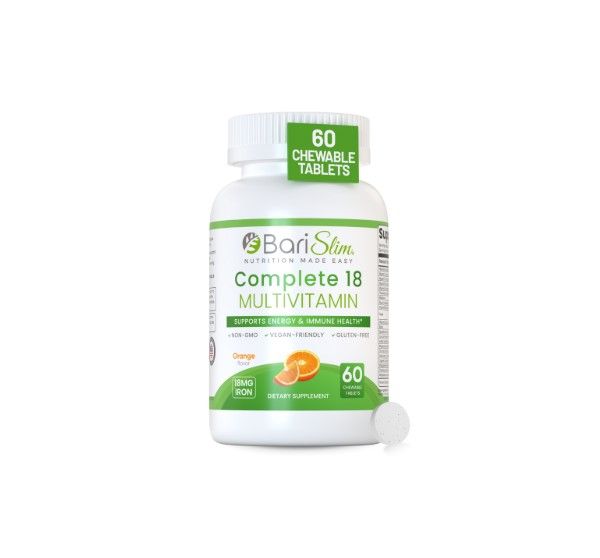
Bariatric surgery changes the amount of food a person can consume and, depending on the procedure, can also alter nutrient absorption. This makes adequate vitamin and mineral intake an important part of long-term postoperative care. Nutritional needs are not identical for everyone, because sleeve gastrectomy, gastric bypass, adjustable gastric banding, and other malabsorptive procedures affect digestion differently.
For anyone choosing a multivitamin for bariatric patients, the most important consideration is whether its nutrient profile fits the individual's surgical procedure and medical needs. The American Society for Metabolic and Bariatric Surgery (ASMBS) states that patients generally need vitamin and mineral supplementation for life after weight-loss surgery, along with ongoing monitoring.
Why Vitamins Matter After Bariatric Surgery
After surgery, reduced food intake can make it harder to obtain enough essential nutrients through meals alone. Some procedures also reduce the absorption of specific vitamins and minerals. According to ASMBS, deficiencies can contribute to problems including anemia, bone and muscle loss, impaired night vision, reduced immune function, and neurological issues. For this reason, choosing a multivitamin for bariatric patients that aligns with individual nutritional needs can be an important part of postoperative care.
The risk varies according to the procedure. Gastric bypass and biliopancreatic diversion with duodenal switch can have greater effects on nutrient absorption than procedures that primarily restrict food intake. This is why postoperative supplementation should be based on the patient's surgery and follow-up laboratory results rather than a generic regimen.
Key Nutrients to Look For
A bariatric multivitamin typically provides several nutrients that are important after surgery. Common components include:
- Vitamin B1 (thiamine): Supports energy metabolism and nervous system function.
- Vitamin B12: Helps maintain normal red blood cells and neurological function.
- Folate: Supports DNA synthesis and normal cell division.
- Iron: Needed to produce hemoglobin and transport oxygen.
- Vitamin D and calcium: Important for maintaining bone health.
- Vitamins A, E, and K: Support vision, antioxidant protection, immune function, blood clotting, and other physiological processes.
- Zinc and copper: Support immune function, tissue maintenance, and other metabolic processes.
ASMBS recommendations show that amounts can differ substantially according to the type of bariatric procedure.
Why Standard Multivitamins May Not Be Suitable
A standard adult multivitamin is formulated for the general population and may not provide the amounts or combination of nutrients required after bariatric surgery. Some patients need substantially more iron, vitamin B12, vitamin D, or other nutrients than they would obtain from an ordinary supplement.
Therefore, selecting a multivitamin for bariatric patients should involve reviewing the actual nutrient amounts rather than relying only on the product's serving size or general vitamin count. The form of the nutrient and how the supplement should be taken may also matter.
Patients should not assume that taking larger amounts is automatically safer or more effective. Excessive intake of some nutrients can cause adverse effects or interfere with the balance of other minerals.
The Importance of Vitamin D, Calcium, and Iron
Calcium and vitamin D deserve particular attention because inadequate intake can affect bone health. ASMBS recommends calcium supplementation after bariatric surgery, with dosage determined partly by the surgical procedure. Vitamin D supplementation is also commonly required and may be adjusted according to blood levels.
Iron is another nutrient that requires careful management because deficiency can contribute to anemia. ASMBS recommends separating iron from calcium supplements because the two can interfere with absorption.
Monitoring Nutritional Status
Taking supplements consistently is only one part of postoperative nutritional care. Regular laboratory testing helps identify deficiencies and determine whether supplementation needs to be adjusted.
ASMBS advises ongoing monitoring of vitamin and mineral levels after bariatric surgery, with yearly laboratory checks commonly recommended.
A healthcare professional may recommend additional testing or supplementation when results indicate a deficiency. Symptoms such as persistent fatigue, numbness, weakness, or other unexplained changes should also be discussed with a healthcare provider rather than treated solely by increasing supplement doses.
Conclusion
Bariatric vitamin supplements are an important part of long-term nutritional management after weight-loss surgery, but the appropriate combination and dosage depend on the procedure, diet, laboratory results, and individual health needs. A suitable multivitamin should be considered alongside nutrients such as iron, calcium, vitamin D, and vitamin B12 when recommended. Consistent supplementation, regular blood testing, and follow-up with the bariatric care team can help identify nutritional deficiencies and keep the supplementation plan appropriate over time.